
Canadian home cooking has been shaped by a wide range of traditional dishes influenced by history, climate, and cultural diversity. Many everyday meals prepared in Canadian households today are rooted in long-standing culinary traditions.
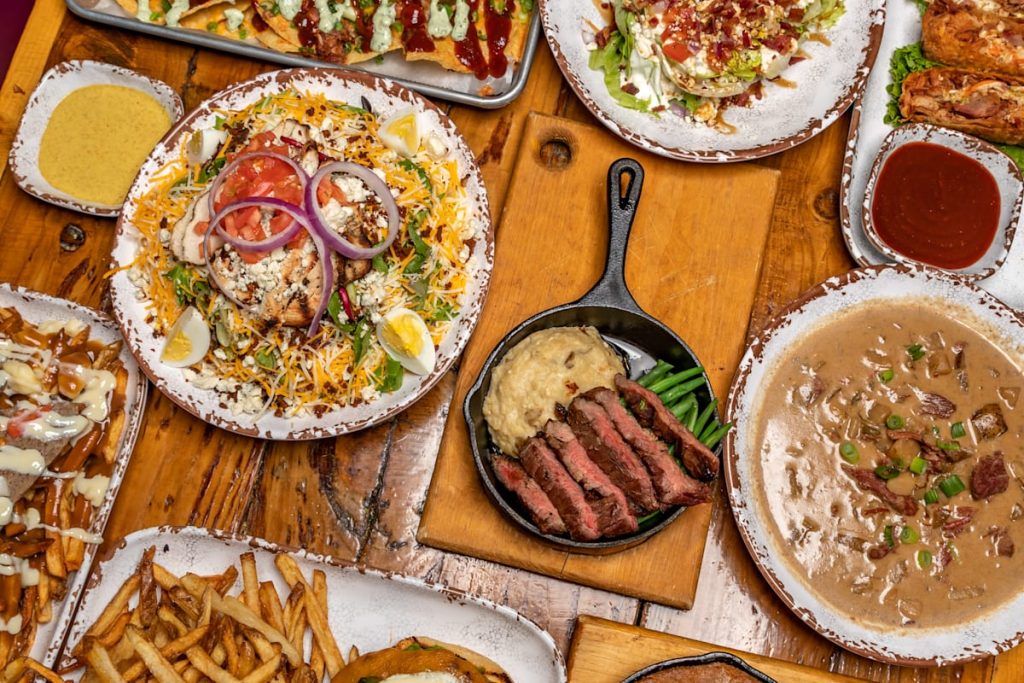
These dishes reflect practicality, comfort, and shared food culture.
The Role of Tradition in Home Cooking
Traditional dishes often develop from necessity. In Canada, early home cooking relied on available ingredients, preservation methods, and simple preparation.
Over time, these practical meals became familiar staples passed down through generations.
Tourtière
Tourtière is a classic meat pie that originated in French Canadian cuisine. Traditionally prepared during holidays, it has become a regular feature in many households.
Its influence can be seen in modern savory pies and baked meat dishes commonly made at home.
Split Pea Soup
Split pea soup has long been a staple in Canadian kitchens, especially in colder regions. Made with dried peas and slow-cooked for flavor, it reflects the importance of hearty, nourishing meals.

This soup influenced many modern home-cooked soups and stews.
Bannock
Bannock is a traditional bread associated with Indigenous cuisine. Simple ingredients and flexible preparation methods made it an essential food.
Its influence remains visible in homemade bread recipes and quick baking techniques used in Canadian kitchens today.
Shepherd’s Pie
Shepherd’s pie became popular due to its practicality and ability to use leftover ingredients. Layers of meat, vegetables, and mashed potatoes made it an efficient and filling meal.
This dish influenced many baked casserole-style meals prepared in Canadian homes.
Stews and One-Pot Meals
Traditional stews played an important role in Canadian cooking. Slow cooking allowed flavors to develop while making use of affordable ingredients.
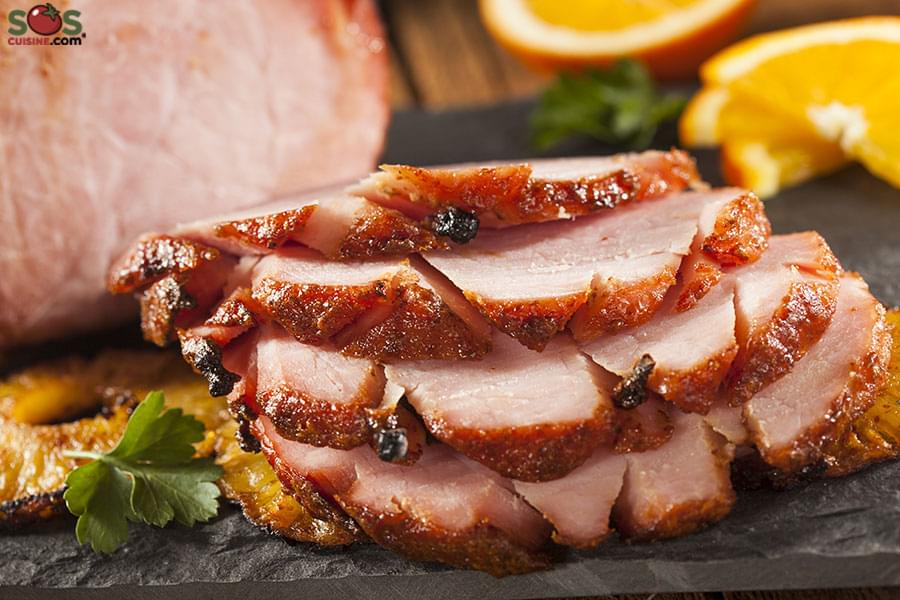
Modern one-pot meals continue this tradition by focusing on simplicity and nourishment.
Preserved and Seasonal Foods
Traditional Canadian cooking often relied on preserved foods such as pickled vegetables and cured meats.
These practices influenced how families plan meals and use seasonal ingredients in home cooking.
Influence of Immigrant Traditions
Immigrant communities introduced new dishes that blended with traditional Canadian cooking. Over time, these dishes became part of everyday home meals.
This cultural exchange continues to shape Canadian home cooking.
Why These Dishes Still Matter
Traditional dishes remain influential because they are:
- Practical
- Affordable
- Familiar
- Adaptable
They form the foundation of many modern home-cooked meals.
Final Thoughts
Canadian home cooking is deeply rooted in tradition. The dishes that influenced it continue to provide comfort, structure, and inspiration in kitchens across the country.
At Joy Hib Blenest, we explore how traditional food continues to shape everyday cooking.