
Street food has played an important role in shaping modern Canadian cuisine. It reflects cultural diversity, local ingredients, and practical cooking styles that fit busy urban life. Over time, many street food favorites have moved from food trucks and casual stands into restaurants and home kitchens.

These dishes helped define how Canadians eat today.
The Influence of Street Food in Canada
Street food in Canada is shaped by immigration, regional traditions, and seasonal climates. Simple, filling meals designed to be eaten quickly became staples in cities and towns across the country.
Many modern comfort foods began as street-level meals focused on convenience, flavor, and affordability.
Poutine as a Street Food Icon
Originally served in small roadside diners and snack stands, poutine quickly became one of Canada’s most iconic street foods.
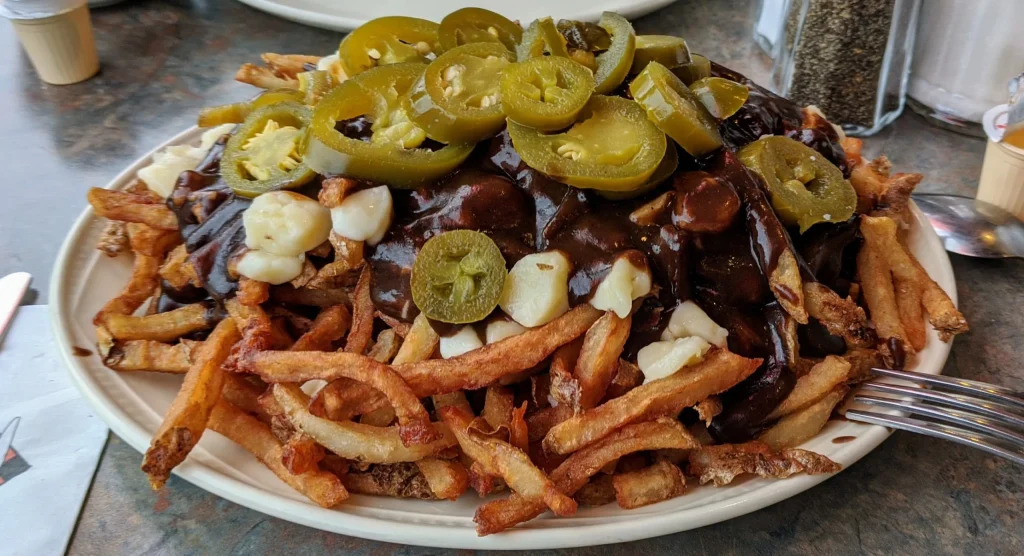
Its combination of fries, cheese curds, and gravy offered warmth and satisfaction, especially in colder weather. Today, poutine remains a key example of how street food influences mainstream dining.
Hot Dogs and Sausages
Hot dog carts are a familiar sight in many Canadian cities. Simple toppings and quick preparation made hot dogs an essential street food option.
Over time, regional variations developed, incorporating local flavors and ingredients. These variations helped transform the humble hot dog into a recognized part of Canadian street food culture.
Donairs and Shawarma
Donairs and shawarma became popular through immigrant communities and quickly spread beyond their origins. Found in food trucks and small shops, these dishes introduced bold flavors and new seasoning styles.
Their popularity helped expand Canadian tastes and influenced how modern street food menus are created.
Fries with Unique Toppings
French fries are a common street food base, but in Canada they often feature creative toppings. From gravies to sauces and spices, fries became a canvas for flavor experimentation.
This approach influenced modern casual dining and fast-casual restaurant concepts.
Bannock on the Street
Bannock has long been part of Indigenous cuisine and later found a place in street food culture. Simple, portable, and versatile, it works well in both savory and sweet forms.

Its presence in street food settings helped bring traditional foods into modern culinary spaces.
Food Trucks and Modern Street Culture
The rise of food trucks in Canadian cities helped elevate street food. These mobile kitchens introduced higher-quality ingredients and creative interpretations of classic dishes.
Food trucks bridged the gap between street food and restaurant dining, shaping modern Canadian cuisine.
Why Street Food Still Matters
Street food remains influential because it focuses on:
- Accessibility
- Bold flavors
- Cultural diversity
- Practical cooking
These qualities continue to shape how Canadians eat at home and when dining out.
Final Thoughts
Street food is more than convenience. It reflects community, tradition, and innovation. In Canada, street food favorites have left a lasting impact on modern cuisine, influencing menus, home cooking, and food culture across the country.
At Joy Hib Blenest, we explore how everyday food continues to shape the way people cook and eat.