
Many home-cooked meals fall short not because of poor ingredients, but because of small, common cooking mistakes. These issues can reduce flavor, affect texture, and leave dishes tasting flat.
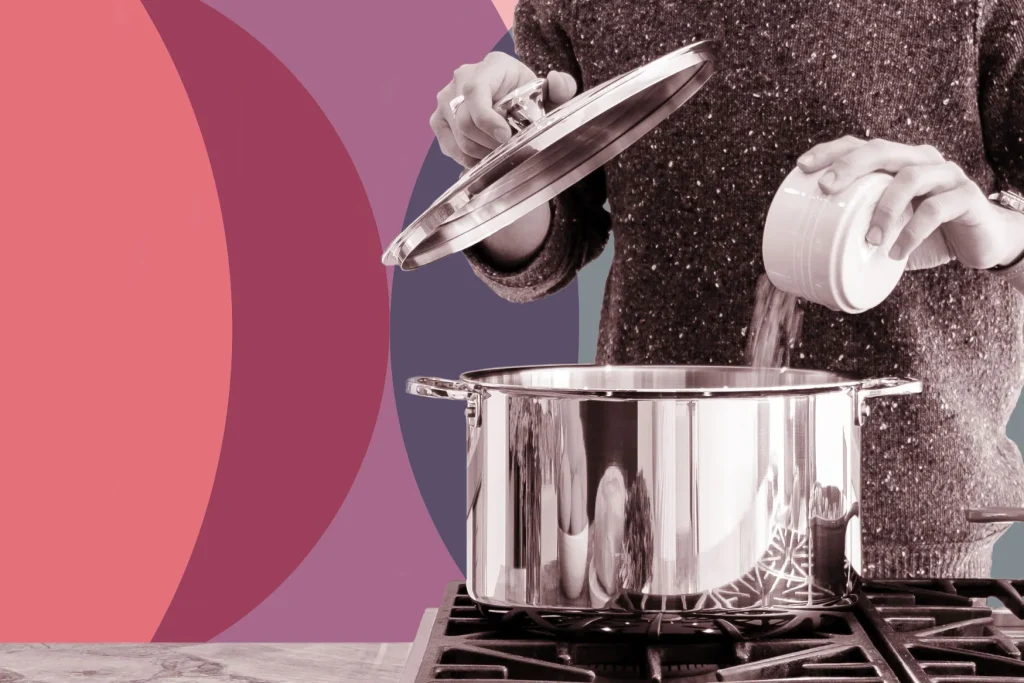
Understanding these mistakes and knowing how to fix them can significantly improve everyday cooking.
Underseasoning Food
One of the most common mistakes is not seasoning food enough.
How it reduces flavor
Without proper seasoning, natural flavors remain muted, making food taste bland.
How to fix it
Season gradually during cooking instead of adding salt only at the end. Taste as you go and adjust carefully.
Cooking at the Wrong Temperature
Using heat that is too high or too low can negatively impact flavor.
How it reduces flavor
High heat can burn food, while low heat may prevent proper browning and flavor development.
How to fix it
Use medium to medium-high heat when browning and adjust temperature based on the cooking method.
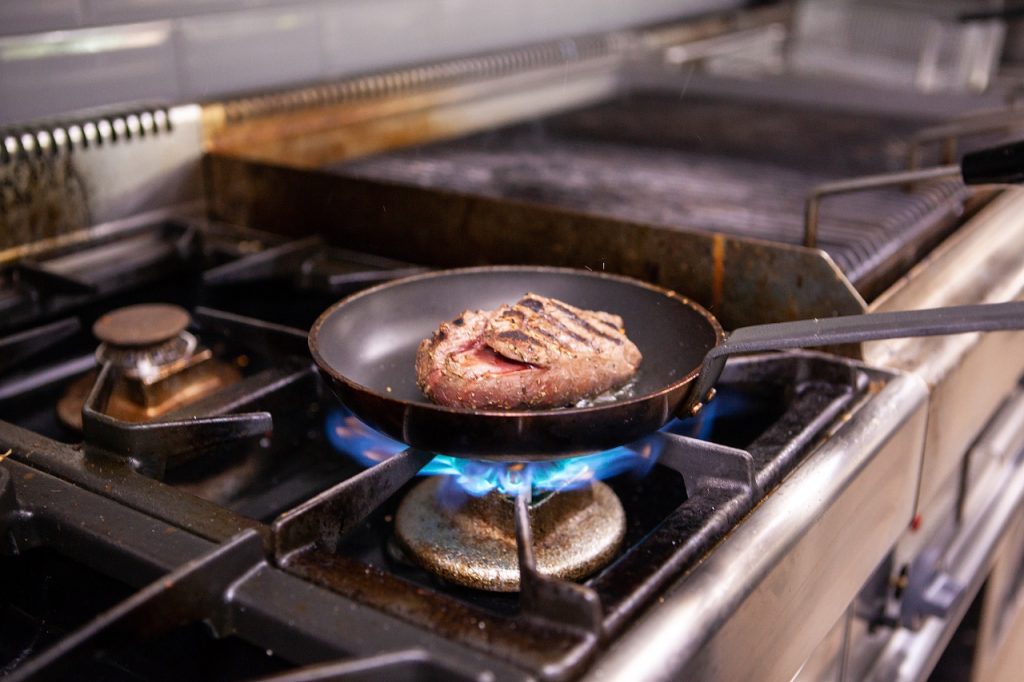
Skipping Browning and Caramelization
Browning adds depth and complexity to food.
How it reduces flavor
Without browning, dishes lack richness and savory notes.
How to fix it
Allow ingredients enough time and space in the pan to brown properly before moving or stirring.
Overcrowding the Pan
Overcrowding is a common mistake, especially when cooking proteins or vegetables.
How it reduces flavor
Too many ingredients in one pan cause steaming instead of browning.
How to fix it
Cook in batches if necessary and give ingredients enough space to cook evenly.
Using Too Much or Too Little Fat
Fat plays an important role in flavor and texture.
How it reduces flavor
Too little fat can cause dryness, while too much can make dishes heavy.
How to fix it
Use fat in moderation and choose the right type for the dish.
Ignoring Acid
Acid is often overlooked in home cooking.
How it reduces flavor
Without acid, food can taste flat or overly rich.
How to fix it
Add small amounts of acid, such as citrus juice or vinegar, to brighten flavors.
Overcooking Ingredients
Overcooking can ruin both flavor and texture.
How it reduces flavor
Overcooked food loses moisture and natural taste.
How to fix it
Pay attention to cooking times and remove food from heat at the right moment.
Not Tasting During Cooking
Skipping tasting is a simple but costly mistake.
How it reduces flavor
Flavors cannot be adjusted if they are not checked.
How to fix it
Taste food at different stages and make small adjustments as needed.
Relying Too Much on Recipes
Strictly following recipes without adjustment can limit flavor.
How it reduces flavor
Ingredients vary, and recipes may not account for personal taste.
How to fix it
Use recipes as a guide and adjust seasoning and flavors based on taste.
Final Thoughts
Improving flavor does not require complicated techniques. Avoiding these common cooking mistakes and making small adjustments can lead to better-tasting meals.
At Joy Hib Blenest, we focus on practical cooking knowledge that helps home cooks build confidence and create flavorful food every day.