
Sometimes, the difference between a bland meal and a delicious dish comes down to seasoning. Even the simplest everyday foods can be transformed with the right combination of herbs, spices, and salt.
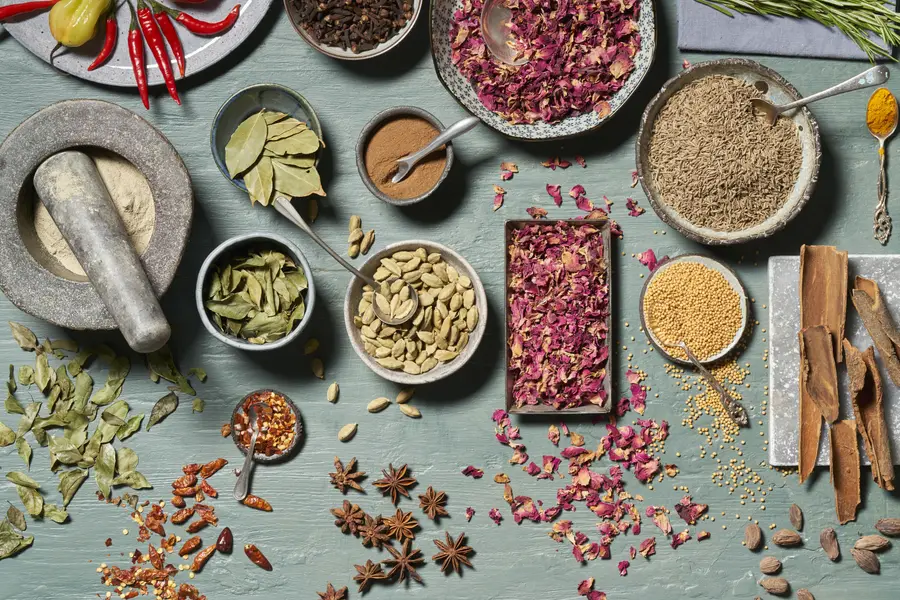
Understanding how to season common ingredients properly will elevate your cooking and make meals more enjoyable.
Potatoes
Potatoes are incredibly versatile but can taste dull without seasoning. Simple additions like salt, black pepper, garlic powder, or fresh herbs such as rosemary and thyme can make a big difference.
Roasted, mashed, or fried, the right seasoning enhances their natural flavor.
Eggs
Eggs are a breakfast staple but often overlooked when it comes to seasoning. A pinch of salt and freshly ground black pepper are essentials. For extra flavor, try paprika, chives, or a dash of hot sauce.
Proper seasoning brings out the richness and texture of eggs.
Rice and Grains
Plain rice or grains can be bland on their own. Adding salt during cooking is important, but finishing with fresh herbs, lemon zest, or toasted spices like cumin or coriander adds layers of flavor.
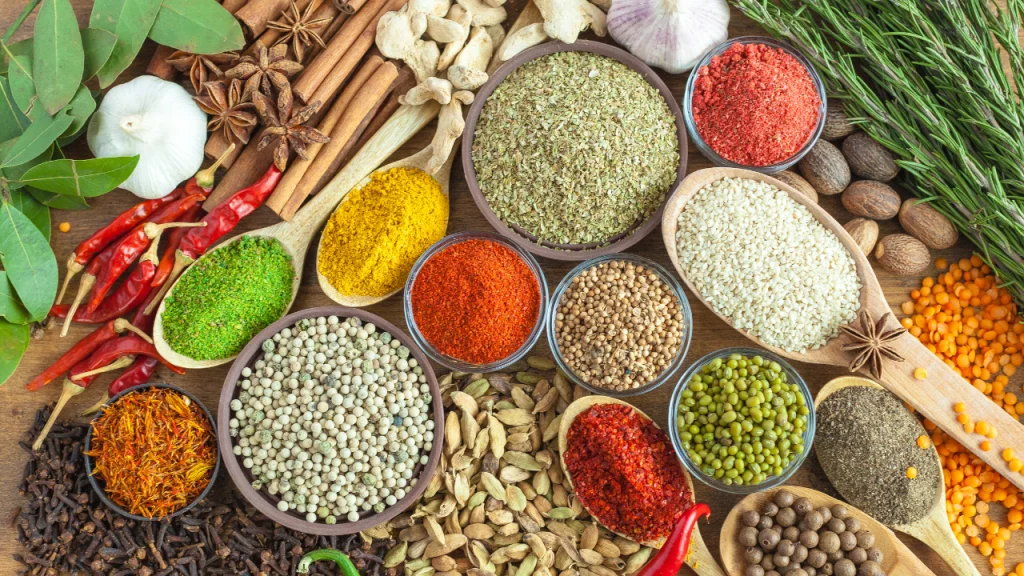
This turns a basic side into a tasty accompaniment.
Vegetables
Vegetables shine with the right seasoning. Salt and pepper are the basics, but a squeeze of lemon, a sprinkle of chili flakes, or fresh herbs like parsley or dill can bring vegetables to life.
Roasting vegetables with olive oil and seasoning caramelizes their natural sugars and enhances taste.
Chicken and Other Meats
Meats benefit from seasoning before and after cooking. Salt is key to enhancing natural flavors, while spices such as paprika, garlic powder, and black pepper add complexity.
Marinades and rubs allow even more flavor customization.
Soups and Stews
Soups and stews develop flavor over time, but seasoning is essential at every stage. Salt balances ingredients, while herbs like thyme, bay leaf, and parsley add aroma.

Adjust seasoning just before serving to ensure the best taste.
Bread and Toast
Even bread and toast can be enhanced with seasoning. A simple spread of butter with sea salt or garlic salt can make a big difference.
Adding herbs or cheese on top can also elevate flavor.
How to Season Like a Pro
- Season gradually and taste frequently
- Use fresh herbs and spices when possible
- Balance saltiness with acidity or sweetness
- Avoid over-seasoning by adding small amounts at a time
Final Thoughts
Seasoning is the key to turning everyday foods into memorable meals. With simple techniques and a few staple spices, home cooks can easily improve flavor without complicated recipes.
At Joy Hib Blenest, we encourage you to experiment and find your favorite seasoning combinations.